
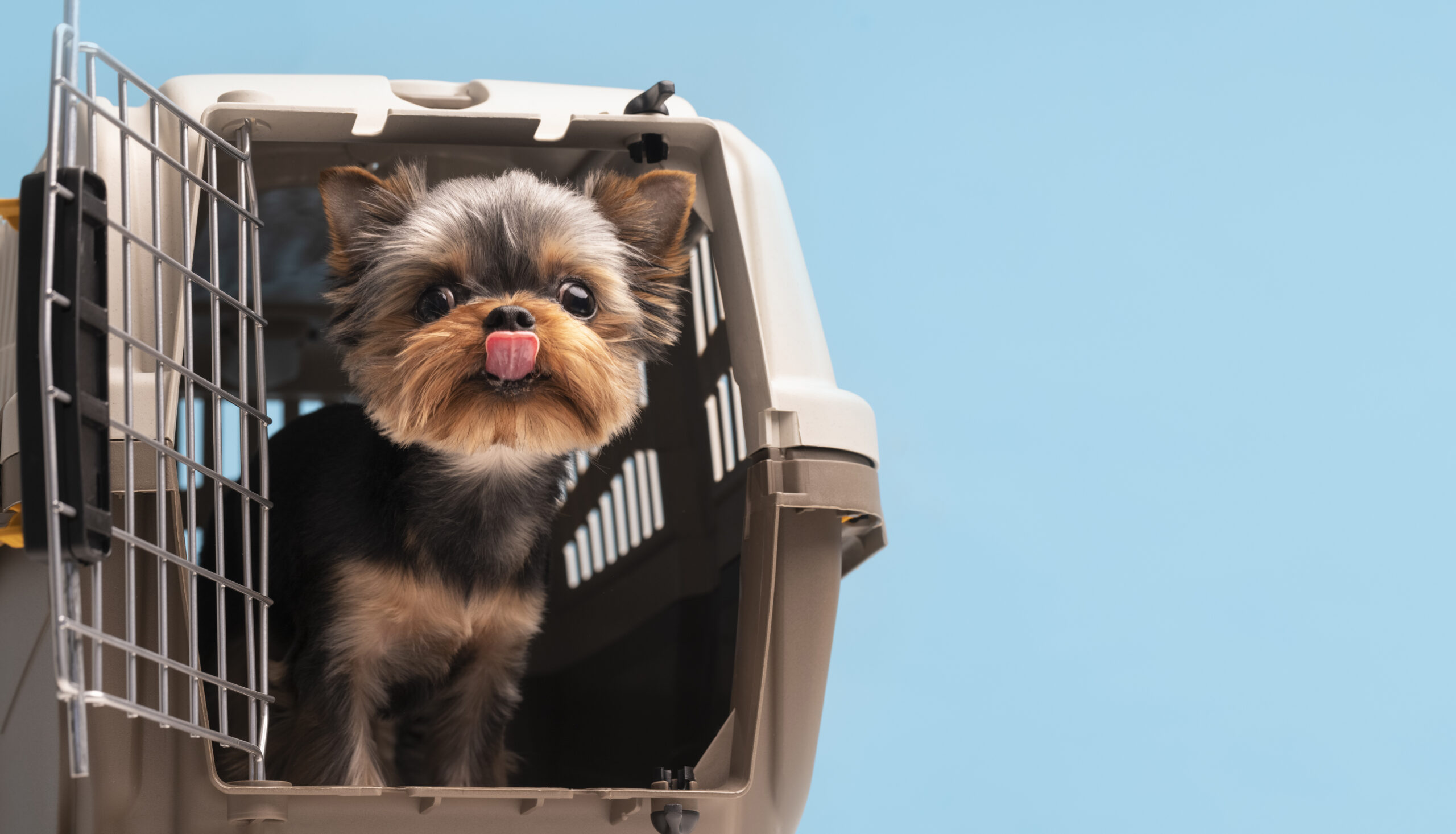
Positive puppy crate training transforms what many new dog owners view as a cage into a comforting den your puppy will love. This comprehensive guide walks you through the process step by step, ensuring both you and your new furry family member experience minimum stress and maximum success. By following this week-by-week approach, you’ll create positive associations that last a lifetime and solve crate training problems.
The Benefits of Proper Crate Training
Before diving into the how-to aspects of dog crate training, it’s important to understand why this process is beneficial for both puppies and their owners:
- Safe confinement: Provides a secure space when you can’t directly supervise your puppy
- Faster housebreaking: Dogs naturally avoid soiling their sleeping area
- Reduced anxiety: Creates a personal sanctuary for your puppy
- Easier travel: Makes transportation and hotel stays less stressful
- Injury prevention: Limits access to household hazards
- Easier vet/groomer visits: Prepares your dog for necessary confinement situations
Research in veterinary behavioral science confirms that puppies who are properly crate trained generally show lower stress levels in veterinary settings and adapt more easily to new environments than those without crate training.
Choosing the Right Crate for Your Puppy

The foundation of successful puppy crate training begins with selecting the appropriate crate:
Types of Crates
Wire Crates
- Excellent ventilation and visibility
- Often come with divider panels to adjust size as your puppy grows
- Can be covered to create a den-like environment
- Easy to clean and typically foldable for storage
Recommendation: Single & Double Door iCrate Dog Crate
Plastic/Airline Crates
- More enclosed, providing a secure den feeling
- Required for air travel
- Less visibility may help anxious puppies
- Sturdy and durable
Recommendation: 2-Door Top-Load Hard-Sided Dogs, Cats Pet Travel Carrier
Soft-Sided Crates
- Lightweight and portable
- Best for fully crate-trained puppies (not for chewers)
- Comfortable for travel and temporary use
Recommendation: 2-Door Portable Soft-Sided Folding Soft Dog Travel Crate Kennel
Proper Sizing
The ideal crate should be:
- Large enough for your puppy to stand up without crouching
- Wide enough to turn around comfortably
- Long enough to lie down fully stretched out
- Not so large that your puppy can eliminate in one corner and sleep in another
For growing puppies, choose a crate appropriate for their adult size with a divider panel to adjust the usable space as they grow.
Essential Crate Training Accessories
Creating a comfortable crate environment increases your chances of success:
- Bedding: Washable, appropriately sized crate pad or bed
- Crate cover: For wire crates to increase the den feeling (partial or full coverage)
- Water bowl: Spill-proof attachable bowl for longer stays
- Safe toys: Durable items without small parts that could be swallowed
- Long-lasting chews: Bully sticks or frozen Kongs for positive associations
Week-by-Week Puppy Crate Training Timeline
Before You Begin: Preparation Phase
Day 1: Crate Setup
- Position the crate in a family area where your puppy won’t feel isolated
- Install the divider panel if using a wire crate
- Add comfortable bedding and a toy
- Leave the door open and secured so it won’t accidentally close
Day 2: Creating Positive Associations
- Randomly drop treats near and inside the crate throughout the day
- Feed meals near the crate, gradually moving the bowl closer
- Never force your puppy into the crate
- Use consistent, upbeat crate commands like “kennel up” or “crate time”
Week 1: Introduction Phase
Days 1-2: Exploring and Meals
- Feed all meals inside the crate with the door open
- Praise calmly when your puppy enters voluntarily
- Practice brief door closures (3-5 seconds) while feeding
- Extend closed-door time gradually to 1-2 minutes
Days 3-5: Brief Closed-Door Sessions
- Begin closing the door for 5-10 minutes after meals
- Stay nearby where your puppy can see you
- Ignore whining, but open the door when quiet
- Practice 3-5 sessions daily
- Begin introducing a crate command word
Days 6-7: Extending Duration
- Work up to 15-minute closed-door sessions
- Start moving briefly out of sight during sessions
- Continue feeding all meals in the crate
- Begin treating randomly when your puppy enters voluntarily
Week 2: Building Duration
Days 8-10: Out of Sight Training
- Extend crate time to 20-30 minutes
- Leave the room completely for brief periods
- Return before your puppy becomes anxious
- Start using a special long-lasting treat for crate time
Days 11-14: First Nap Times
- Begin using the crate for scheduled nap times
- Ensure your puppy has eliminated before crating
- Use a consistent pre-crate routine
- Aim for 30-60 minute nap sessions in the crate
- Work up to leaving the house for 15-30 minutes
Week 3: Nighttime Training
Days 15-17: Evening Routine
- Establish a consistent bedtime routine
- Place the crate in or near your bedroom at night
- Expect to take your puppy out for elimination once or twice overnight
- Create a minimal-stimulation nighttime potty routine
- Return puppy to crate immediately after elimination
Days 18-21: Full Nights
- Work toward sleeping through the night
- Gradually move the crate to its permanent location if different from the bedroom
- Maintain daytime crate sessions in the family area
Week 4: Solidifying Training
Days 22-25: Varied Crate Times
- Mix up the duration of crate sessions
- Practice both while you’re home and when leaving
- Begin crating when visitors arrive
- Work toward 2-3 hour maximum daytime crating periods
- Continue using special treats for longer sessions
Days 26-28: Generalizing Success
- Practice crating in different rooms if using a portable crate
- Begin car trips with the crate if you haven’t already
- Maintain consistent crate command and routine
- Work toward calm entries and exits from the crate
How to Solve Common Crate Training Problems

Problem: Whining and Barking
Excessive vocalization is among the most common crate training challenges.
Solution:
- Avoid releasing your puppy while actively whining or barking
- Wait for even brief moments of quiet before opening the door
- Build duration more gradually
- Provide more exercise before crate time
- Make sure all needs (elimination, hunger, thirst) are met before crating
- Try covering part of the crate for a more secure feeling
Behavioral research indicates that rewarding quiet behavior works significantly better than punishing vocalization.
Problem: Accidents in the Crate
Elimination inside the crate may indicate:
Solution:
- Adjust crate size (may be too large)
- Increase potty break frequency
- Rule out medical issues like UTIs
- Clean thoroughly with enzymatic cleaner
- Evaluate your feeding schedule
- Reduce water intake 1-2 hours before crating
- Consider removing bedding temporarily if it’s being used as an absorbent surface
Suggested: Solving 5 Common Puppy Potty Training Problems: A Complete Troubleshooting Guide
Problem: Resistance to Entering the Crate
If your puppy backs away or resists going in:
Solution:
- Return to basic positive association training
- Try higher-value treats reserved only for crate training
- Feed meals exclusively in the crate
- Use toys or chews that are only available in the crate
- Avoid forced entry which creates negative associations
- Try a different crate style if problems persist
Problem: Destructive Behavior in the Crate
Chewing bedding or attempting to escape can be dangerous:
Solution:
- Remove unsafe bedding temporarily
- Ensure adequate exercise before crate time
- Provide appropriate chew toys
- Consider whether duration is too long
- Rule out separation anxiety
- Check if the crate is appropriately sized
Problem: Panting and Stress Signs
Signs of anxiety require immediate attention:
Solution:
- Go back to shorter durations
- Keep the crate in a family area during the day
- Provide a shirt with your scent
- Try calming music or white noise
- Consider a pheromone diffuser near the crate
- Ensure proper ventilation and comfortable temperature
Recommendation: NaturVet Quiet Moments Calming Aid Dog Supplement
Crate Training for Travel and Transportation

Preparing your puppy for travel-related crate use requires additional steps:
Car Travel Preparation
- Stationary Sessions: First place the crate in the car without driving
- Short Trips: Begin with 5-minute drives to positive destinations
- Gradual Extension: Slowly increase travel duration
- Safety Measures: Secure the crate properly to prevent movement
- Comfort Items: Include familiar bedding and toys
Air Travel Considerations
If you anticipate air travel with your dog:
- Start with an airline-approved crate from the beginning
- Practice longer crate periods that mimic flight durations
- Familiarize your puppy with airport-like noises
- Consult your veterinarian about travel anxiety solutions
- Check airline requirements well in advance
When to Seek Professional Help
While most puppies adapt well to crate training, some situations warrant professional guidance:
- Persistent distress despite following the timeline
- Self-harming behaviors like excessive drooling or pawing
- Aggression when approached near the crate
- Regression after initial success
- Extreme anxiety that worsens over time
- Elimination problems that don’t resolve with training
A certified dog trainer or veterinary behaviorist can provide personalized guidance for challenging cases.
Beyond Basic Crate Training: Advanced Tips
Once your puppy is comfortable with regular crate time, consider these advanced techniques:
- Randomize crating times to prevent anticipatory anxiety
- Practice “surprise crating” with exceptional rewards
- Teach a “go to crate” command from anywhere in the house
- Maintain occasional crate time even when not necessary
- Leave the crate open when not in use for voluntary entry
- Refresh positive associations periodically with special treats
Suggested: Complete Dog Training Guide: From Puppy Basics to Advanced Commands
How to Crate Train Puppies: Final Thoughts
Positive puppy crate training requires patience, consistency, and understanding of your puppy’s needs. By following this week-by-week guide, you’ll create a foundation of trust and security that benefits your dog throughout their life. Remember that every puppy is an individual—some may progress faster than the timeline suggests, while others may need additional time at certain stages.
The key to success lies in creating overwhelmingly positive crate training associations and never using the crate as punishment. When done correctly, dog crate training provides your puppy with a lifetime of security and comfort—their very own safe haven in an often overwhelming world.