
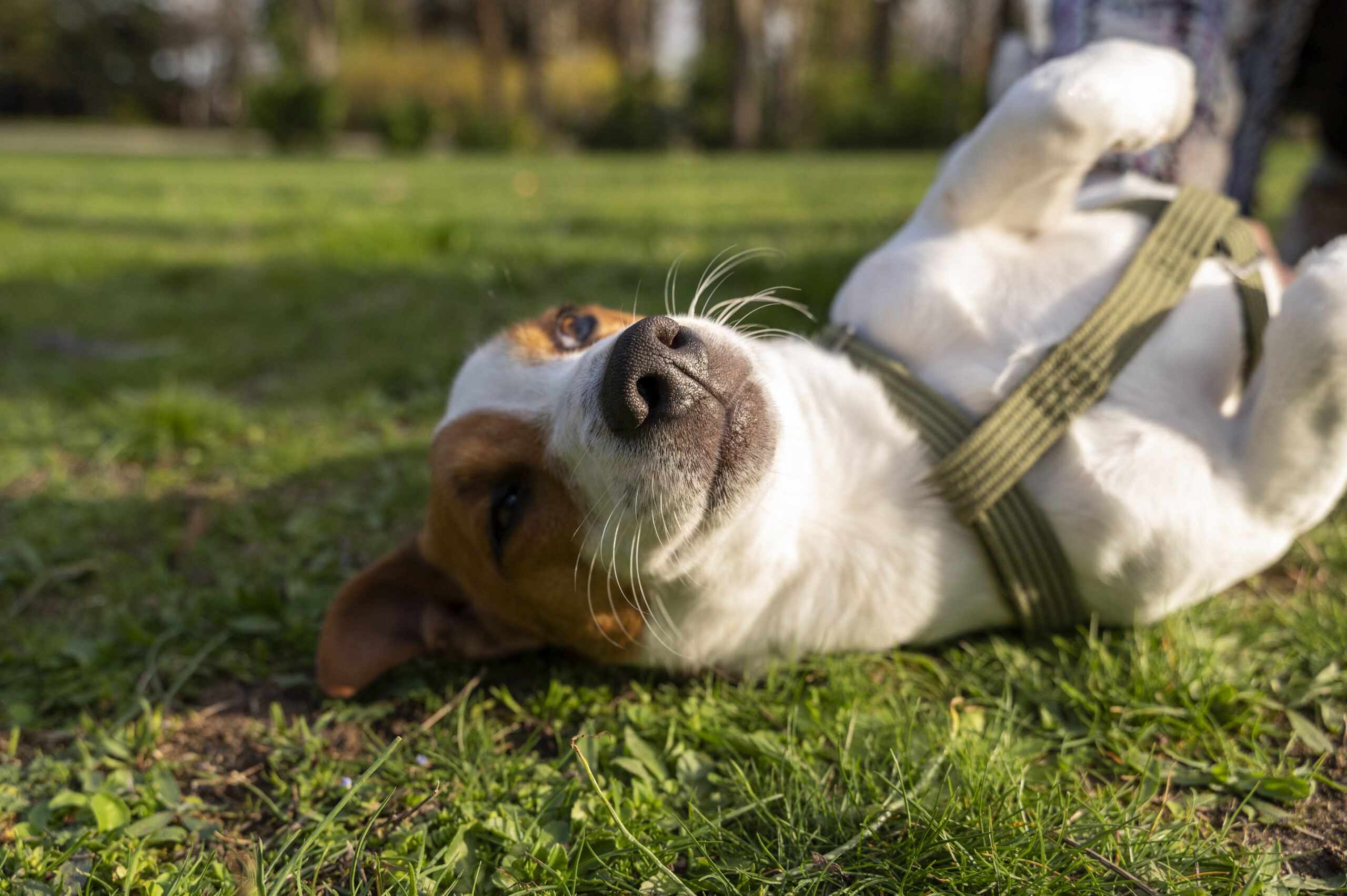
Essential puppy experiences during the first 16 weeks of life shape your dog’s personality, confidence, and behavior for years to come. This critical puppy socialization period represents a narrow window when puppies are naturally more accepting of new experiences. By ensuring your puppy encounters these 12 fundamental experiences, you’ll set the foundation for a well-adjusted, confident adult dog who can handle life’s everyday challenges with ease.
Understanding the Critical Puppy Socialization Period

The first 16 weeks puppy development period is scientifically recognized as the most important time for social learning. During this phase, puppies are biologically programmed to accept new experiences more readily than they will later in life. Research published in veterinary behavioral journals shows that puppies who miss proper socialization during this window are significantly more likely to develop fear-based behaviors and anxiety disorders as adults.
This puppy socialization checklist serves as your roadmap through these crucial months, ensuring no essential experience gets overlooked while your puppy’s brain is most receptive to learning.
Balancing Socialization with Vaccination Safety
Before diving into essential puppy experiences, it’s crucial to understand how to socialize safely during the vaccination process. Puppies aren’t fully protected until they complete their vaccination series, typically around 16 weeks of age. However, the critical puppy socialization period ends around the same time, creating a challenging balance.
Safe socialization strategies include:
- Carrying your puppy in clean areas where unvaccinated dogs may have been
- Visiting homes with healthy, vaccinated dogs
- Controlled meetings with known, healthy pets
- Avoiding high-traffic dog areas like dog parks until fully vaccinated
- Focusing on experiences that don’t involve unknown dogs
Always consult your veterinarian about your specific puppy’s vaccination schedule and safe socialization practices for your area.
The 12 Essential Puppy Experiences

1. Gentle Human Handling and Grooming
Start with the most fundamental experience: comfortable handling by humans. This foundation experience teaches your puppy that human touch is safe and pleasant.
What to include:
- Touching paws, ears, and mouth gently
- Brushing with a soft puppy brush
- Mock nail trimming sessions
- Gentle restraint for brief periods
- Different people handling your puppy
Making it positive: Use high-value treats during all handling sessions and keep sessions brief and upbeat.
2. Household Sounds and Environmental Noises
Puppies need exposure to the soundtrack of daily life to prevent noise phobias later.
Sounds to introduce:
- Vacuum cleaners, blenders, and kitchen appliances
- Doorbells and knocking
- Television and music at various volumes
- Children playing and laughing
- Phone ringing and household conversations
Implementation: Start at low volumes during positive activities like mealtime, gradually increasing volume as your puppy shows comfort.
3. Various Floor Surfaces and Textures
Different surfaces help puppies develop confidence and physical coordination while preventing texture aversions.
Surfaces to explore:
- Hardwood, tile, and linoleum floors
- Carpets and rugs of different textures
- Grass, dirt, and natural outdoor surfaces
- Concrete and pavement
- Gravel and mulch
Safety note: Always ensure surfaces are clean and safe, avoiding areas where unvaccinated dogs may have eliminated.
4. Car Rides and Transportation
Early positive car experiences prevent travel anxiety and make vet visits, grooming appointments, and family trips more enjoyable.
Building car comfort:
- Start with sitting in a stationary car
- Take short trips to positive destinations
- Use a secure crate or safety harness
- Bring favorite toys or treats
- End trips with something fun like a walk or playtime
Suggested: Positive Puppy Crate Training: Your 4 Week Guide to Success
5. Meeting Different Types of People
Exposure to diverse people helps prevent stranger anxiety and creates a socially confident dog.
People to meet:
- Adults of different ages and ethnicities
- Children of various ages (always supervised)
- People wearing hats, sunglasses, or uniforms
- Individuals using mobility aids like wheelchairs or walkers
- People carrying umbrellas, bags, or other objects
Controlled introductions: Always supervise meetings and ensure people understand how to interact appropriately with your puppy.
6. Supervised Interactions with Other Animals

Controlled meetings with healthy, well-socialized animals teach appropriate social behaviors and communication.
Safe animal encounters:
- Vaccinated, friendly adult dogs in controlled settings
- Calm, dog-friendly cats
- Other puppies from known, healthy households
- Different sizes of animals when appropriate
Important: Never force interactions and always prioritize your puppy’s comfort and safety over social exposure.
7. Basic Veterinary Handling and Medical Experiences
Positive vet experiences during puppyhood prevent fear-based reactions to necessary medical care throughout your dog’s life.
Vet-related experiences:
- Sitting calmly on examination tables
- Being weighed on a scale
- Having temperature taken
- Brief physical examinations
- Positive associations with the veterinary office
Preparation: Many veterinary offices welcome socialization visits between appointments where puppies can explore and receive treats without medical procedures.
8. Stairs, Ramps, and Different Elevations
Physical challenges build confidence and coordination while preventing fear of elevation changes.
Elevation experiences:
- Low steps and stairs (start with 2-3 steps)
- Ramps of different angles
- Low platforms and benches
- Curbs and small elevation changes
- Different types of stairs (wood, carpet, metal)
Safety first: Never force a puppy up or down stairs, and ensure all elevation changes are appropriate for your puppy’s size and development stage.
9. Alone Time and Independence
Teaching puppies to be comfortable alone prevents separation anxiety and promotes healthy independence.
Building independence:
- Brief periods in a different room
- Short departures from the house
- Comfortable time in a crate or safe space
- Learning to self-soothe with appropriate toys
- Gradual extension of alone time
Puppy training milestones: Start with just a few minutes and gradually work up to longer periods as your puppy matures.
Recommendation: Nylabone Healthy Edibles Natural Puppy Chews Long Lasting Treats for Puppies
10. Different Environments and Locations
Exposure to various environments builds adaptability and prevents location-specific fears.
Safe locations to explore:
- Friend’s homes with healthy pets
- Pet-friendly stores (carried if not fully vaccinated)
- Quiet outdoor spaces and parks
- Different neighborhoods for walks
- Various indoor environments
Exploration strategy: Keep outings short and positive, always carrying your puppy in areas where unvaccinated dogs may have been.
11. Water and Bath Time
Early positive associations with water prevent bath-time battles and may open opportunities for swimming and water play later.
Water experiences:
- Playing with shallow water dishes
- Walking through small puddles
- Gentle introduction to bath time
- Different water temperatures (always safe and comfortable)
- Water-related toys and games
Making it fun: Use treats, toys, and praise to create positive associations with all water-related activities.
12. Basic Commands and Structure
Early training creates communication pathways and establishes your role as a leader and teacher.
Foundation commands:
- Name recognition and attention
- Basic “sit” and “stay” commands
- Coming when called
- Walking on a leash
- Understanding “no” or “leave it”
Training approach: Use positive reinforcement methods and keep training sessions short (5-10 minutes) but frequent throughout the day.
What to Do When Experiences Go Wrong
Even with careful planning, some essential puppy experiences may not go as smoothly as hoped. Negative experiences during the critical puppy socialization period can have lasting impacts, but they can often be overcome with patience and proper technique.
Immediate Response to Negative Experiences
When your puppy has a frightening or overwhelming experience:
- Stay calm: Your puppy will pick up on your emotional state
- Remove the stressor: Calmly distance your puppy from whatever caused the fear
- Don’t force comfort: Excessive soothing can reinforce fearful behavior
- End on a positive note: Redirect to something your puppy enjoys
Rehabilitating Negative Associations
If your puppy develops fear around a particular experience:
- Gradual re-exposure: Start at a distance or intensity level where your puppy remains calm
- Counter-conditioning: Pair the feared experience with something highly positive
- Professional help: Consult a certified puppy trainer for persistent fears
- Patience: Recovery from negative experiences takes time and consistency
Research shows that puppies who experience proper rehabilitation after negative socialization events can still develop into confident adult dogs, though it requires more effort than preventing problems initially.
Creating Your Puppy Socialization Routine

Successfully implementing these essential puppy experiences requires planning and consistency. Most puppy training milestones can be achieved by incorporating socialization into your daily routine rather than treating it as separate training sessions.
Weekly Planning Strategy
- Week 1-4: Focus on home-based experiences (handling, sounds, surfaces)
- Week 5-8: Expand to controlled social meetings and car rides
- Week 9-12: Increase environmental diversity and challenge level
- Week 13-16: Consolidate learning and address any remaining gaps
Daily Integration Tips
- Combine socialization with necessary activities (feeding time, play sessions)
- Keep experiences brief but frequent
- Always end sessions on a positive note
- Document your puppy’s progress and comfort levels
- Adjust intensity based on your individual puppy’s personality
Signs of Successful Socialization
Well-socialized puppies typically display:
- Curiosity rather than fear when encountering new experiences
- Quick recovery from startling events
- Friendly but appropriate reactions to new people
- Calm behavior in various environments
- Willingness to explore and investigate
Puppies who struggle with socialization may show excessive fear, aggression, or shut-down behavior when faced with new experiences. Early intervention with professional guidance can help address these challenges.
Beyond the First 16 Weeks
While the critical puppy socialization period ends around 16 weeks, learning continues throughout your dog’s life. The foundation you build with these essential puppy experiences will serve as the launching point for continued social development.
Ongoing socialization includes:
- Regular exposure to new experiences
- Maintaining positive associations with challenging situations
- Continued training and skill development
- Monitoring for any developing fears or behavioral changes
Suggested: Complete Dog Training Guide: From Puppy Basics to Advanced Commands
Conclusion
The first 16 weeks puppy development period offers an irreplaceable opportunity to shape your dog’s future personality and behavior. By systematically introducing these 12 essential puppy experiences, you’re giving your puppy the tools they need to navigate the world with confidence and joy.
Remember that every puppy develops at their own pace, and some may need more time with certain experiences than others. The key is consistency, patience, and always prioritizing your puppy’s emotional well-being over checking items off your puppy socialization checklist.
Your investment in proper socialization during these crucial weeks will pay dividends for years to come, resulting in a well-adjusted family member who can accompany you on life’s adventures with confidence and enthusiasm.