
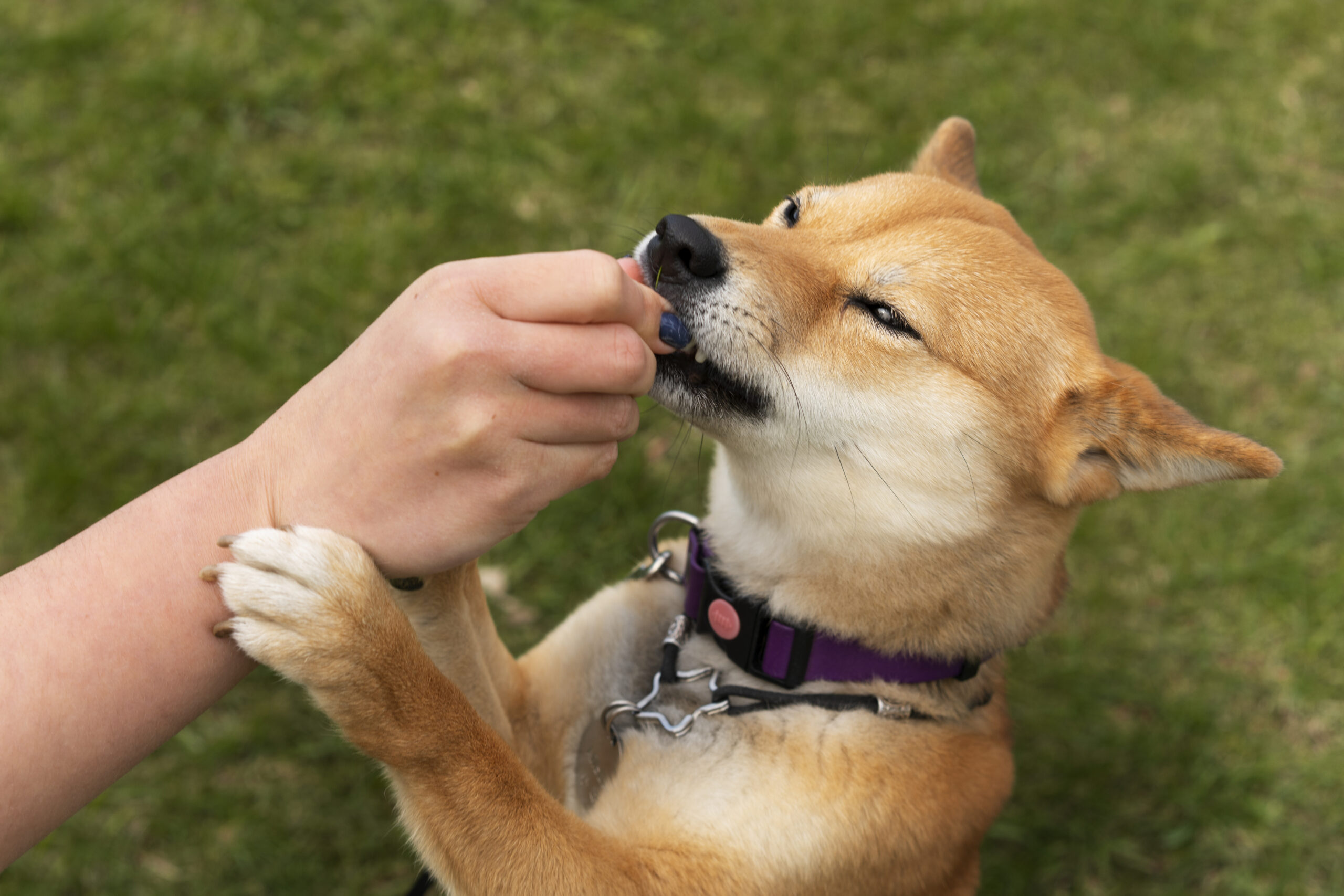
When it comes to successful dog training, the best dog training treats can make the difference between a frustrated training session and breakthrough moments that strengthen your bond with your furry companion. The right motivational dog treats serve as powerful communication tools, helping your dog understand exactly which behaviors earn rewards and encouraging them to repeat those actions consistently.
Finding the perfect training rewards isn’t just about grabbing any treat from the pet store shelf. High value dog treats must capture your dog’s attention even in distracting environments, be small enough for quick consumption during repetitive training, and provide irresistible motivation that makes your dog eager to work with you. Whether you’re teaching basic commands, working on advanced tricks, or addressing behavioral challenges, the right small training treats can accelerate your progress dramatically.
What Makes Training Treats Effective?

The most effective dog training rewards share several key characteristics that set them apart from regular dog snacks. Size matters tremendously—treats should be small enough that your dog can consume them quickly without losing focus on the training session. Ideally, each treat should be no larger than your dog’s thumbnail, allowing for rapid-fire rewards during intensive training periods.
Palatability ranks as the most crucial factor in treat selection. Your chosen motivational dog treats must be more appealing than any environmental distractions your dog might encounter. This means selecting flavors and textures that make your dog’s eyes light up with excitement, creating genuine enthusiasm for training sessions.
Nutritional considerations also play an important role, especially during extended training sessions where your dog might consume numerous treats. Look for options with minimal fillers, artificial colors, and unnecessary additives. High-protein, low-fat treats typically provide sustained energy without causing digestive upset.
The convenience factor shouldn’t be overlooked either. The best dog training treats are easy to carry, don’t crumble in your pocket, and remain fresh during long training sessions. Some trainers prefer treats that can be broken into smaller pieces, allowing for portion control and extended use.
Top 10 Training Treats That Deliver Results
1. Freeze-Dried Liver Treats
Freeze-dried liver treats consistently ranks among the highest value training rewards available to dog owners. The intense, meaty aroma and concentrated flavor make these treats nearly irresistible to most dogs, including picky eaters who typically show little food motivation.
These treats excel in challenging training scenarios like recall training, where you need maximum motivation to compete with exciting distractions. The freeze-drying process preserves nutritional value while creating a lightweight, non-perishable treat that’s perfect for outdoor adventures and extended training sessions.
Many trainers consider liver treats their “emergency” option—reserved for the most challenging training moments when nothing else seems to capture their dog’s attention. The single-ingredient nature makes them suitable for dogs with food sensitivities, while the natural protein content provides sustained energy for active training sessions.
2. Small Training Treats (Commercial Brands)
Purpose-designed small training treats from reputable commercial brands offer the perfect balance of convenience, palatability, and nutritional value. These treats are specifically formulated to be bite-sized, reducing training interruptions while maintaining high appeal for dogs.
Brands like Zuke’s Mini Naturals, Blue Buffalo Training Treats, and Wellness Core Pure Rewards have developed formulas that combine appealing flavors with optimal size and texture for training purposes. These treats typically measure less than half an inch, making them ideal for rapid-succession rewards during obedience training or trick teaching sessions.
The consistent size and shape of commercial small training treats make portion control effortless, helping you avoid overfeeding during intensive training periods. Many varieties offer multiple protein sources, allowing you to rotate flavors and maintain your dog’s interest over time.
3. Cheese Cubes
Fresh cheese cubes represent one of the most universally appealing high value dog treats available in most households. The creamy texture and rich flavor profile make cheese an excellent motivational tool for dogs who need extra encouragement during training sessions.
Mild cheeses like mozzarella or cheddar work best, as they provide strong appeal without overwhelming saltiness. Cut cheese into small cubes roughly the size of your dog’s thumbnail for optimal training use. The soft texture makes these treats particularly valuable for senior dogs or puppies who might struggle with harder textures.
Cheese works exceptionally well for loose leash training and socialization exercises, where you need treats that can be dispensed quickly while maintaining your dog’s focus on you rather than environmental distractions. However, use cheese sparingly with dogs who have sensitive stomachs or dairy sensitivities.
4. Cooked Chicken Pieces
Fresh, cooked chicken breast cut into small pieces offers an unbeatable combination of high protein content and irresistible appeal for most dogs. This natural, single-ingredient treat provides excellent nutritional value while serving as powerful motivation during challenging training scenarios.
The preparation process is simple: boil or bake plain chicken breast, then cut into small, training-appropriate pieces. Avoid seasoning, oils, or additives that might upset your dog’s stomach or mask the natural chicken flavor that dogs find so appealing.
Chicken treats work particularly well for agility training and complex command sequences where sustained motivation is essential. The high protein content helps maintain your dog’s energy levels during extended sessions, while the familiar flavor keeps their attention focused on earning rewards.
5. Peanut Butter Training Treats
Peanut butter-flavored training treats combine the irresistible appeal of this beloved flavor with the convenience of pre-made, appropriately sized treats. Most dogs show immediate enthusiasm for peanut butter flavors, making these treats excellent for building initial training motivation.
Look for treats that use natural peanut butter without xylitol, an artificial sweetener that’s toxic to dogs. Many commercial peanut butter training treats are formulated specifically for dogs, ensuring safe ingredients while maintaining the appealing taste that makes training sessions more enjoyable.
These treats excel in distraction training and impulse control exercises, where the high-value reward helps dogs focus despite tempting environmental stimuli. The familiar, comforting flavor can also help anxious dogs feel more relaxed during training sessions.
6. Fish-Based Treats (Salmon/Tuna)
Fish-based training treats offer an excellent alternative for dogs with poultry allergies or those who simply prefer seafood flavors. Salmon and tuna treats provide high-quality protein along with beneficial omega fatty acids that support coat health and cognitive function.
The distinct fishy aroma of these treats makes them particularly effective for scent work training and nose work exercises. Many dogs who show limited interest in traditional meat treats become highly motivated when presented with fish-based options.
Freeze-dried fish treats maintain their nutritional value while offering convenient storage and portability. The intense flavor concentration means you can use smaller portions while maintaining the same motivational impact, making these treats cost-effective for regular training use.
7. Dehydrated Sweet Potato
Dehydrated sweet potato treats provide a healthy, natural option for dogs who enjoy chewy textures and mildly sweet flavors. These treats offer complex carbohydrates for sustained energy along with beneficial vitamins and minerals.
The chewy texture makes sweet potato treats particularly valuable for dogs who tend to gulp treats too quickly, as the chewing process naturally slows consumption and extends the reward experience. This characteristic makes them excellent for calm, focused training sessions where you want to encourage thoughtful behavior.
Sweet potato treats work well for dogs with sensitive stomachs or those following limited-ingredient diets. The natural sweetness appeals to many dogs without requiring artificial flavoring or high-fat content that might cause digestive issues.
8. Training Squeeze Tubes
Squeeze tube treats offer unparalleled convenience for active training sessions, allowing you to dispense precise amounts of high-value rewards without interrupting your training flow. These portable tubes contain creamy, flavorful paste that most dogs find irresistible.
The dispensing mechanism allows for variable reward sizes—tiny licks for simple commands or larger amounts for complex achievements. This flexibility makes squeeze tubes particularly valuable during shaping exercises where you need to reward incremental progress toward desired behaviors.
Popular flavors include peanut butter, chicken, and cheese varieties, often combined with beneficial ingredients like probiotics or joint-supporting supplements. The mess-free dispensing makes these treats ideal for indoor training sessions or situations where cleanliness is important.
9. Homemade Frozen Treats
Simple homemade frozen treats offer budget-conscious dog owners an effective way to create high-value rewards using common household ingredients. Basic recipes combining plain yogurt with small pieces of fruit or vegetables can create appealing treats that provide motivation without significant expense.
Popular combinations include frozen yogurt with banana pieces, pumpkin puree ice cubes, or frozen chicken broth in ice cube trays. These treats work particularly well during hot weather training sessions, providing refreshing rewards that help keep dogs comfortable and motivated.
The preparation process allows for complete ingredient control, making homemade options ideal for dogs with food allergies or specific dietary requirements. However, keep recipes simple and avoid ingredients that might be harmful to dogs.
10. Jerky-Style Training Treats
Jerky-style training treats combine the appealing chewy texture that many dogs crave with convenient sizing for training purposes. These treats typically feature real meat as the primary ingredient, providing high protein content along with satisfying texture variety.
The dense, meaty texture makes jerky treats particularly appealing to dogs with strong chewing instincts, while the concentrated flavor provides excellent motivation for challenging training scenarios. Many jerky treats can be easily broken into smaller pieces, allowing for portion control during extended sessions.
Look for jerky treats made from single protein sources without excessive additives or preservatives. The natural preservation process creates shelf-stable treats that maintain their appeal over time, making them excellent for emergency training situations or travel.
Matching Treats to Training Scenarios

Different training situations call for specific types of motivational dog treats to maximize effectiveness. High-distraction environments like busy parks or training classes require the most appealing high value dog treats you can find—typically fresh meats, cheese, or freeze-dried options that can compete with exciting surroundings.
Basic obedience training in familiar environments allows for more moderate reward values, making commercial small training treats or homemade options perfectly adequate. The key is maintaining consistency in your reward system while adjusting value based on the difficulty of what you’re asking your dog to perform.
Puppies often respond well to softer textures like cheese or squeeze tube treats, while adult dogs might prefer the satisfying chew of jerky-style options. Senior dogs may need softer treats that are easier to consume quickly, keeping training sessions moving smoothly.
Budget-Friendly vs. Premium Options
Effective training doesn’t require expensive treats, but understanding when to invest in premium options can significantly impact your success. Budget-friendly choices like homemade chicken pieces or cheese cubes often provide excellent motivation at minimal cost, making them perfect for daily training maintenance.
Premium freeze-dried treats or specialized training formulas justify their higher cost during challenging training phases or when working through specific behavioral issues. These high-value options can accelerate progress in situations where standard treats aren’t providing sufficient motivation.
Consider creating a treat hierarchy in your training toolkit—using moderate-value treats for routine practice and reserving premium options for breakthrough moments or particularly challenging training goals. This approach maximizes both effectiveness and cost efficiency.
Storage and Safety Considerations
Proper storage extends the life and effectiveness of your dog training rewards while ensuring food safety. Dry treats should be stored in airtight containers to maintain freshness and prevent contamination. Fresh treats like chicken or cheese require refrigeration and should be used within a few days of preparation.
Always check expiration dates on commercial treats and discard any items that show signs of mold, unusual odors, or texture changes. Contaminated treats can cause serious digestive issues that interrupt training progress and potentially harm your dog’s health.
Be mindful of treat portions during intensive training sessions. Even healthy treats contribute calories to your dog’s daily intake, and excessive consumption can lead to digestive upset or unwanted weight gain. Consider reducing your dog’s regular meal portions on heavy training days to maintain proper nutritional balance.
Building Your Training Treat Arsenal
The most successful trainers maintain a variety of motivational dog treats to match different training needs and maintain their dog’s interest over time. Start with 2-3 different types of treats in varying value levels, then expand your collection based on your dog’s preferences and training requirements.
Rotate treat types regularly to prevent your dog from becoming bored with familiar flavors. This rotation also helps you identify which treats provide the strongest motivation for your individual dog, allowing you to reserve the most effective options for challenging training situations.
Consider your dog’s size, age, and dietary restrictions when building your treat collection. What works for a large, active adult dog might be completely inappropriate for a small puppy or senior dog with dental issues.
Conclusion
The right selection of best dog training treats transforms ordinary training sessions into engaging, productive experiences that strengthen your bond while building reliable behaviors. From freeze-dried liver for maximum motivation to convenient squeeze tubes for active sessions, each type of treat serves specific training purposes and scenarios.
Remember that the most expensive treat isn’t necessarily the most effective—success depends on finding options that genuinely motivate your individual dog while fitting your training style and budget. Experiment with different types, observe your dog’s responses, and build a diverse collection that keeps training sessions fresh and exciting.
Effective use of high value dog treats, combined with proper timing and consistent training techniques, creates the foundation for lifelong learning and cooperation between you and your canine companion. Invest time in finding the right motivational tools, and you’ll see dramatic improvements in your training success and your dog’s enthusiasm for learning new skills.