
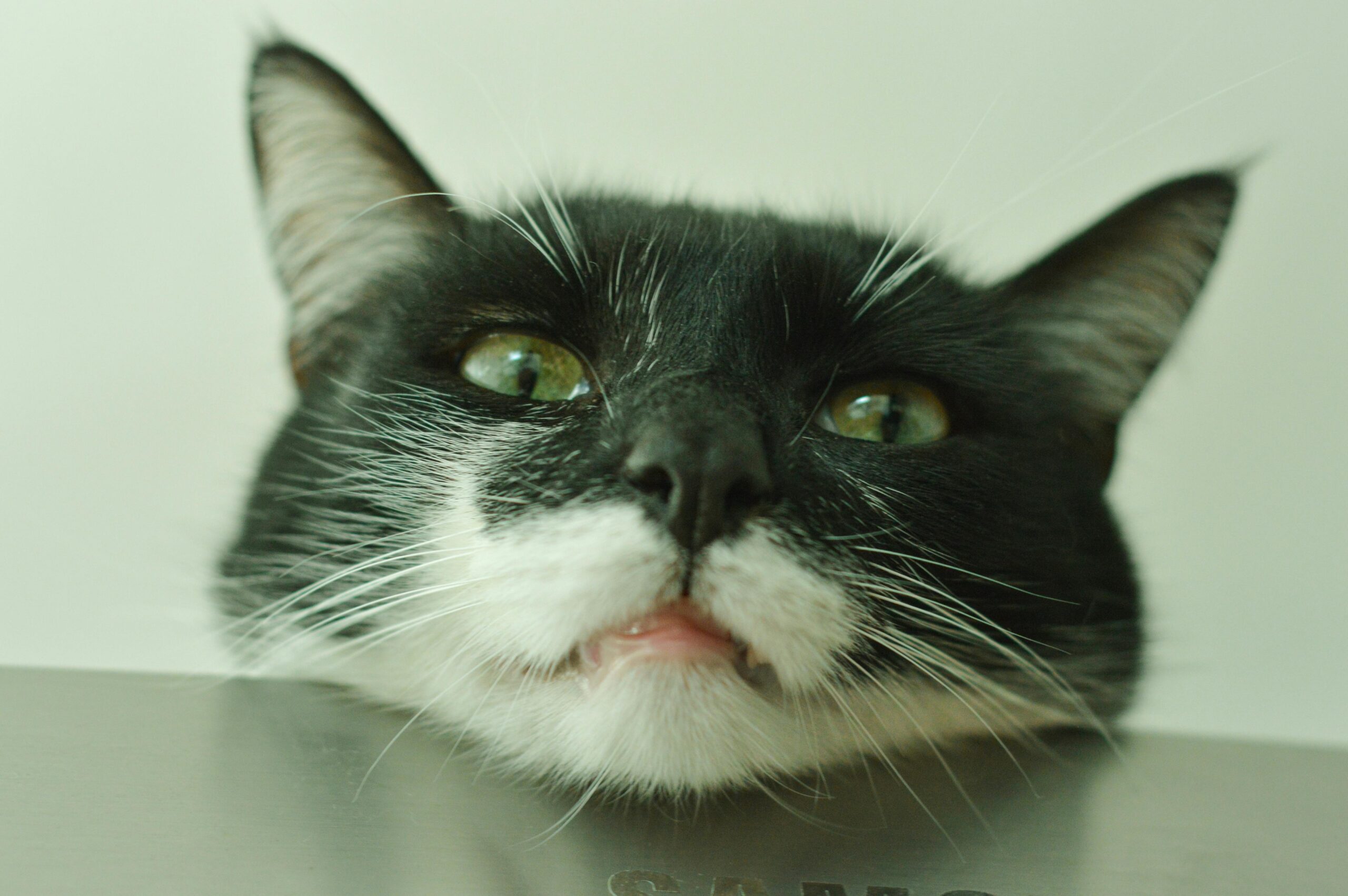
Bringing home your new kitten is an exciting milestone, but having the right supplies ready before their arrival makes all the difference in creating a smooth, stress-free transition for both you and your furry family member. This comprehensive new kitten checklist covers the 15 most essential items every first-time cat owner needs to have on hand from day one.
Summary
• Prepare 15 essential supplies before kitten arrival – including kitten-specific food, shallow bowls, low-entry litter box, safe litter, cozy bedding, and appropriately-sized toys to ensure immediate comfort and health
• Focus on safety and age-appropriate items – choose non-clumping litter for young kittens, avoid toys with small parts, select kitten-sized nail clippers, and ensure all supplies accommodate their smaller size and developmental needs
• Establish routines and monitor preferences – set up designated feeding, sleeping, and play areas before arrival, then observe your kitten’s individual preferences to guide future supply adjustments and purchases
Unlike adult cats who may adapt to gradual supply additions, kittens need immediate access to proper food, safe spaces, and comfort items to help them adjust to their new environment. Having these first kitten essentials prepared in advance allows you to focus on bonding and helping your kitten settle in rather than scrambling to find necessary supplies during those crucial first few days.
The items on this kitten supplies list have been carefully selected based on immediate necessity—these aren’t luxury additions or items you can purchase later, but rather the fundamental supplies that directly impact your kitten’s health, safety, and comfort during their critical adjustment period.
Food and Water Essentials

1. High-Quality Kitten Food
Your kitten’s nutritional needs differ significantly from adult cats, requiring specially formulated kitten food with higher protein, fat, and calorie content to support rapid growth and development. Choose a premium kitten formula from a reputable brand that lists real meat as the first ingredient.
Wet food often proves easier for young kittens to eat and digest, while also providing essential hydration. Many veterinarians recommend a combination of wet and dry food to provide nutritional variety and encourage healthy eating habits from an early age.
Ask your breeder, shelter, or veterinarian what food your kitten has been eating and plan to continue with that brand initially. Sudden food changes can cause digestive upset, making gradual transitions important for maintaining your kitten’s health during their adjustment period.
2. Food and Water Bowls
Stainless steel or ceramic bowls work best for kittens, as plastic bowls can harbor bacteria and may cause chin acne in sensitive cats. Choose shallow, wide bowls that allow easy access without whisker stress—a common issue when bowls are too deep or narrow.
Separate food and water bowls prevent contamination and encourage proper hydration. Many kittens prefer their water source located away from their food area, mimicking natural instincts to seek clean water sources separate from feeding areas.
Non-slip bases help prevent bowl sliding during enthusiastic eating sessions, reducing messes and ensuring your kitten can eat comfortably without chasing their bowl around the floor.
Suggested: 4 Best Automatic Cat Feeders on Amazon in 2025: Never Miss a Meal Again
3. Water Fountain (Optional but Recommended)
Many kittens show increased interest in moving water, making a pet water fountain an excellent investment for encouraging proper hydration. Fresh, circulating water often tastes better than stagnant bowl water and can prevent urinary tract issues common in cats.
Choose a fountain appropriate for your kitten’s size, with easy access and simple cleaning requirements. Some kittens may initially be hesitant around motorized fountains, so introduce them gradually while maintaining traditional water bowls as backup.
Litter Box Setup

4. Kitten-Appropriate Litter Box
Standard adult cat litter boxes often prove too tall for small kittens to enter and exit comfortably. Look for boxes with sides no higher than 2-3 inches, or consider cutting down one side of a regular box to create easy access.
Uncovered boxes work best initially, as many kittens feel trapped or claustrophobic in covered boxes. You can always transition to covered boxes later if desired, but open access helps prevent accidents during the crucial training period.
Size matters! Choose a box large enough for your kitten to turn around comfortably, but not so large that they feel lost or insecure. Remember that you’ll need to upgrade to larger boxes as your kitten grows.
Suggested: 4 Kitten Litter Box Problems: Complete Training and Solutions Guide
5. Kitten-Safe Litter
Avoid clumping clay litters for very young kittens, as ingestion can cause dangerous intestinal blockages. Paper-based, corn-based, or non-clumping clay litters provide safer options for curious kittens who may taste their litter.
Unscented litters work best, as strong fragrances can overwhelm sensitive kitten noses and discourage litter box use. Natural odor control comes from frequent cleaning rather than artificial scents.
Purchase enough litter to maintain a 2-3 inch depth in the box, with extra supply for frequent changes during the initial adjustment period when accidents may be more common.
6. Litter Scoop and Waste Bags
A quality metal litter scoop with appropriately sized holes makes daily maintenance easier and more thorough. Cheap plastic scoops often break quickly and don’t provide the durability needed for regular use.
Biodegradable waste bags designed for pet waste provide an environmentally responsible way to dispose of scooped litter. Regular household bags may tear when dealing with clumped or wet litter.
Comfort and Safety Items

7. Cozy Sleeping Area
Kittens sleep 12-16 hours daily and need warm, secure spaces for proper rest and development. A soft cat bed with raised sides provides security and warmth, helping your kitten feel safe in their new environment.
Washable bedding is essential, as accidents and general kitten messiness require frequent cleaning. Choose materials that maintain their softness and shape through multiple wash cycles.
Place the sleeping area in a quiet location away from high-traffic areas but still within the general family space. Kittens want to feel part of the household while having access to peaceful rest when needed.
8. Warm Blankets
Young kittens cannot regulate their body temperature as effectively as adult cats, making additional warmth crucial for their health and comfort. Soft fleece blankets provide cozy options that retain heat while remaining breathable.
Having multiple blankets allows for rotation during washing, ensuring your kitten always has clean, warm bedding available. Some kittens develop strong attachments to specific blankets, making backups important.
Choose blankets without loose threads or decorative elements that might pose choking hazards to curious kittens who explore their world through play and tasting.
9. Safe Hiding Spaces
Cardboard boxes, cat tunnels, or designated hiding spots help anxious kittens feel secure while adjusting to their new environment. Having multiple retreat options throughout your home prevents your kitten from feeling trapped or overwhelmed.
Ensure all hiding spaces are easily accessible and escape routes remain clear. Kittens should never feel trapped in their safe spaces, as this can increase rather than decrease anxiety levels.
Rotate hiding options occasionally to maintain interest and provide environmental enrichment, but always ensure at least one familiar option remains available during stressful periods.
Suggested: Kitten Proofing Your Home: Complete 5 Room Safety Checklist for New Cat Parents
Health and Grooming Supplies
10. Nail Clippers
Kitten nail clippers designed for small, delicate claws prevent injury during grooming sessions. Human nail clippers or large cat clippers can crush or split tiny kitten nails, causing pain and potential infection.
Start handling your kitten’s paws gently from day one, even if you don’t need to clip nails immediately. This early handling helps them become comfortable with paw manipulation, making future nail trims easier.
Choose clippers with sharp, clean blades and ergonomic handles that provide good control during use. Dull clippers can crush nails rather than cutting cleanly, creating jagged edges that may catch on fabrics or furniture.
11. Soft-Bristled Brush
Regular brushing helps prevent matting, reduces shedding, and provides bonding opportunities with your new kitten. Choose brushes with soft bristles that won’t scratch sensitive kitten skin or pull delicate fur.
Short, frequent brushing sessions work better than long, intensive grooming for young kittens. Start with just a few gentle strokes and gradually increase duration as your kitten becomes comfortable with the process.
Even short-haired kittens benefit from regular brushing, particularly during seasonal coat changes or periods of rapid growth when shedding may increase.
Play and Mental Stimulation

12. Interactive Toys
Kittens have high energy levels and need appropriate outlets for their natural hunting and play instincts. Feather wands, laser pointers, and moving toys provide interactive play that strengthens your bond while providing essential exercise.
Supervise all interactive play sessions, especially with toys containing small parts or strings that could pose choking hazards. Store these toys safely when not in use to prevent unsupervised access.
Rotate toys regularly to maintain interest and prevent boredom. Having 4-5 different interactive options allows you to keep playtime fresh and engaging for your curious kitten.
13. Safe Solo Play Items
Mice toys, balls, and crinkle toys provide entertainment when you’re not available for interactive play. Choose items appropriate for your kitten’s size—too large and they won’t be able to carry or manipulate the toy effectively.
Avoid toys with small parts that could be swallowed, strings that might cause intestinal blockages, or materials that could break into dangerous pieces. Natural materials like sisal or untreated wood often provide safer options than synthetic alternatives.
Catnip toys may not interest very young kittens, as sensitivity to catnip typically develops around 3-6 months of age. Focus on toys with interesting textures, sounds, or movement rather than scent-based appeal.
14. Scratching Post
Scratching represents natural, essential behavior for cats, helping maintain claw health while marking territory and stretching muscles. Providing appropriate scratching surfaces from day one prevents furniture damage and establishes good habits.
Choose scratching posts tall enough for your kitten to fully stretch while scratching, with stable bases that won’t tip during use. Sisal rope or corrugated cardboard surfaces typically appeal to most cats and provide effective claw maintenance.
Place scratching posts near sleeping areas and high-traffic zones where your kitten spends time. Multiple scratching options throughout your home ensure convenient access regardless of where your kitten is playing.
Transportation and Safety
15. Secure Cat Carrier
A quality cat carrier is essential for veterinary visits, emergency situations, and any travel needs. Choose carriers with secure latches, adequate ventilation, and comfortable interiors that can accommodate your kitten as they grow.
Hard-sided carriers often provide better protection during transport, while soft-sided options may be more comfortable for calm kittens during routine trips. Consider your specific needs and preferences when selecting carrier style.
Make the carrier a positive space by leaving it open in your home with comfortable bedding inside. This familiarization prevents the carrier from becoming associated solely with stressful veterinary visits.
Recommended: Vceoa Soft-Sided Cat Carrier
Setting Up Before Arrival
Prepare all new cat owner supplies before bringing your kitten home, allowing you to focus on helping them adjust rather than assembling supplies. Set up feeding stations, litter boxes, and sleeping areas in their permanent locations to establish consistency from day one.
Kitten-proof your home by removing or securing potential hazards like toxic plants, small objects that could be swallowed, or accessible electrical cords. Young kittens explore everything through play and tasting, making thorough safety preparation essential.
Create a designated “kitten room” where your new pet can initially stay while adjusting to household routines and smells. This controlled environment reduces overwhelming stimuli while ensuring access to all necessary supplies.
Establishing Routines with Your Supplies
Consistent use of your kitten starter kit items helps establish healthy routines that will serve your cat throughout their life. Feed meals at regular times using the same bowls, maintain consistent litter box cleaning schedules, and incorporate daily play sessions with designated toys.
Monitor your kitten’s preferences and adjust supplies accordingly—some kittens prefer certain toy types, sleeping surfaces, or even specific bowl materials. Paying attention to these preferences helps you make informed decisions about future supply purchases.
Quality supplies last longer and often provide better value than cheaper alternatives that need frequent replacement. Investing in well-made essential items saves money long-term while ensuring your kitten’s comfort and safety.
Gradual Additions and Future Needs

While this first kitten essentials list covers immediate needs, you’ll likely want to add items as your kitten grows and their personality develops. Cat trees, additional toys, grooming tools, and specialty items can enhance your kitten’s environment over time.
Observe your kitten’s behavior and preferences during their first few weeks to guide future purchases. Active kittens may benefit from additional climbing structures, while more sedentary kittens might prefer extra comfort items.
Keep receipts and packaging for initial purchases, as some kittens may reject certain items despite your best selection efforts. Many pet stores accept returns on unused items, allowing you to exchange for alternatives that better suit your kitten’s preferences.
Budget-Conscious Shopping Tips
Purchase essential items first, then add optional supplies as budget allows. Your kitten’s immediate health and safety needs take priority over convenience items or luxury accessories that can wait.
Many kitten supplies list items can be found at various price points—research options and read reviews to find the best value for your specific needs and budget constraints.
Consider starter kits that bundle multiple items together, often providing better value than purchasing individual pieces. However, ensure bundled items meet quality standards rather than simply choosing based on price alone.
Quality vs. Convenience Considerations
While convenience items like automatic feeders or self-cleaning litter boxes can be helpful, focus on quality basics first. Your kitten needs reliable, safe versions of essential items more than high-tech conveniences that may malfunction.
Hand-washing food bowls and manually scooping litter boxes allows you to monitor your kitten’s eating and elimination habits closely—important health indicators during the adjustment period.
Some convenience items work better once your kitten has established routines and shown their preferences. Starting with simple, reliable basics allows you to add convenience features later if desired.
Conclusion
Having these 15 essential supplies ready before your kitten arrives home sets the foundation for a smooth transition and happy, healthy start to your life together. This comprehensive new kitten checklist ensures you’ll have everything necessary to meet your kitten’s immediate needs while establishing routines that promote long-term wellbeing.
Remember that every kitten is unique, and you may need to adjust specific items based on your pet’s individual preferences and personality. The key is having quality basics in place so you can focus on bonding, training, and helping your new family member feel secure in their forever home.
Investing in proper supplies from the beginning saves time, money, and stress while providing your kitten with the best possible start in their new environment. With these essentials in place, you’ll be well-prepared to enjoy all the joys and adventures that come with kitten ownership.