
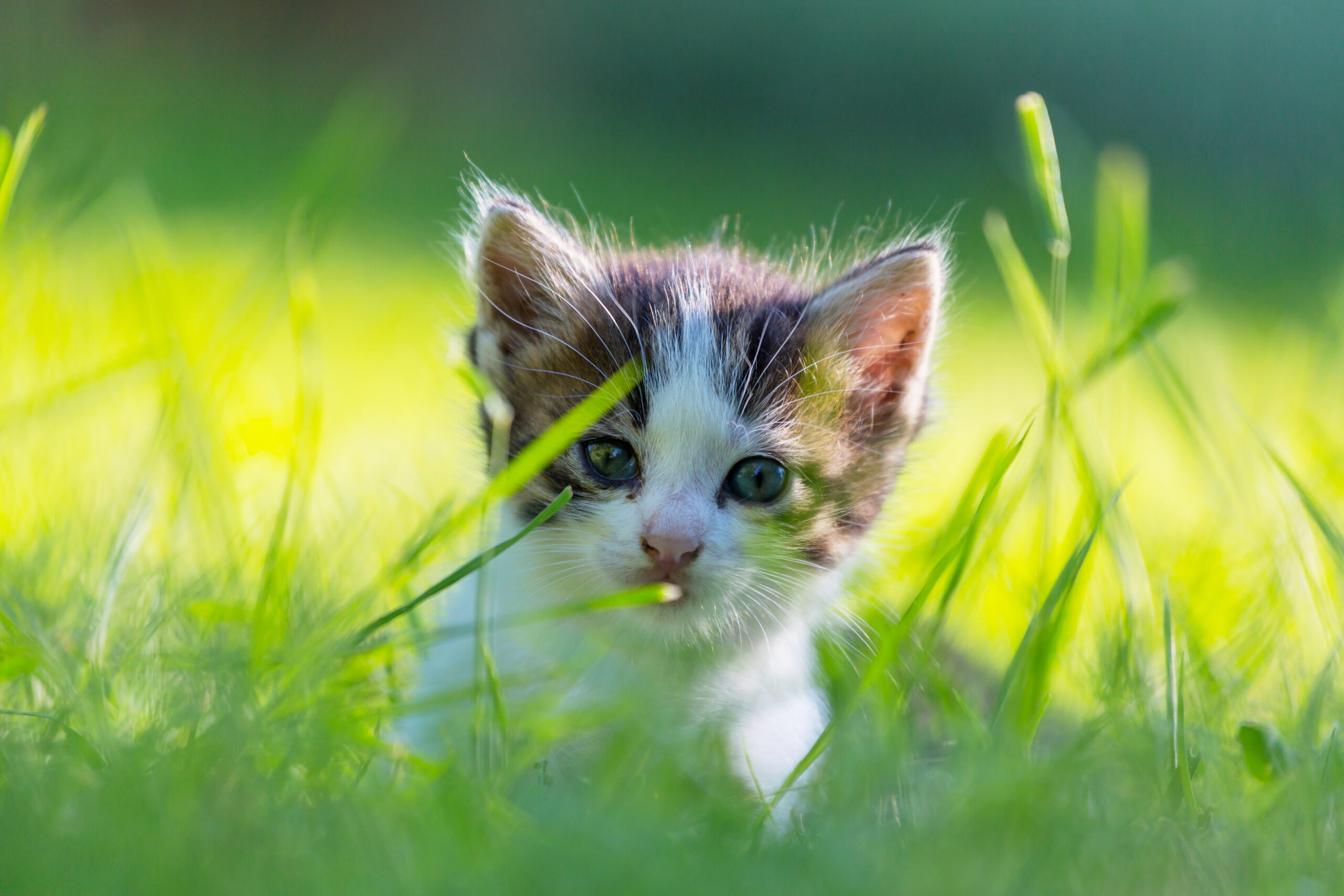
Kitten litter box problems can turn the joy of bringing home your new furry family member into a frustrating daily challenge. Whether you’re dealing with a kitten who refuses to use their box, has accidents outside the designated area, or seemed perfectly trained until suddenly developing issues, understanding the root causes and solutions is essential for both your sanity and your kitten’s wellbeing.
The good news is that most kitten bathroom issues are completely solvable with the right approach, patience, and understanding of your kitten’s developmental needs. Unlike adult cats who may have deeply ingrained habits, kittens up to six months old are still learning and adapting, making this the perfect time to establish proper litter box habits that will last a lifetime.
Understanding Normal Kitten Development

Kittens develop bathroom control gradually, with most achieving reliable litter box training between 8-12 weeks of age. However, accidents and setbacks are completely normal during the first six months as their bladder control, cognitive abilities, and understanding of household rules continue developing.
Very young kittens (under 8 weeks) may not have full control over their elimination, making consistent accidents expected rather than problematic. Their small bladders require frequent emptying, and they’re still learning to associate the litter box with bathroom needs rather than simply following instinct.
During the 2-6 month period, kittens experience rapid growth spurts, teething, increased exploration, and social development—all factors that can temporarily disrupt established bathroom routines. Understanding this developmental context helps you respond appropriately to setbacks without becoming frustrated or inadvertently creating anxiety around litter box use.
Setting Up for Success: The Foundation
Proper litter box setup forms the cornerstone of successfully litter box training kittens. Young kittens need boxes with low sides (2-3 inches maximum) that allow easy entry and exit. Standard adult cat boxes often prove too tall for small kittens, leading to accidents simply because they can’t climb in comfortably.
Location matters tremendously for successful training. Place the litter box in a quiet, easily accessible area away from food and water bowls. Avoid high-traffic areas, noisy appliances, or locations that require navigating stairs or obstacles. Kittens need to reach their box quickly when nature calls, and any barriers can result in accidents.
Multiple boxes often prove beneficial during the training phase, especially in larger homes. The general rule of one box per cat plus one extra applies even more importantly to kittens, who may not have time to travel far when they feel the urge to eliminate.
Choose kitten-appropriate litter that’s safe if ingested, as young kittens often explore their world through taste. Unscented, clay-based, or natural litters work best initially. Avoid crystal or clumping litters for very young kittens, as ingestion can cause digestive blockages.
Transitioning from Breeder or Shelter Environments
Many kitten bathroom issues stem from the transition between their original environment and your home. Kittens often become accustomed to specific litter types, box styles, or even surface textures in their first weeks of life, making sudden changes confusing or stressful.
When bringing your kitten home, ask about their current setup and try to replicate it initially. If they were using paper litter, newspaper, or a specific brand, continue with that option for the first week while they adjust to their new surroundings. Gradual transitions work better than immediate changes for most kittens.
Some kittens come from environments where they had limited litter box access or were kept primarily on blankets or towels. These kittens may need extra patience and encouragement to understand that the litter box is their designated bathroom area.
Create positive associations with the new litter box by placing your kitten in it gently after meals, naps, and play sessions. Don’t force them to dig or demonstrate—simply allow them to explore and sniff while offering gentle praise for any interest they show.
Common Kitten Litter Box Problems and Solutions

Problem 1: Complete Litter Box Avoidance
When a kitten won’t use their litter box at all, the issue usually relates to accessibility, comfort, or negative associations. Check that the box sides aren’t too high and that the location feels safe and private to your kitten.
Litter texture often plays a crucial role in avoidance. Some kittens develop strong preferences for certain textures based on early experiences. Try offering multiple litter options in separate boxes to identify your kitten’s preference, then gradually transition to your preferred type once they’re using boxes consistently.
Medical issues can also cause complete avoidance, particularly if your kitten associates the box with pain or discomfort. Urinary tract infections, constipation, or digestive upset can create negative associations that persist even after the medical issue resolves.
Problem 2: Partial Success with Frequent Accidents
Kittens who use their box sometimes but have regular accidents often struggle with timing, access, or box cleanliness standards. Young kittens need extremely clean boxes—what seems acceptable to adult cats may be too dirty for fastidious kittens.
Increase cleaning frequency to twice daily or immediately after each use during the training phase. Consider using a litter box deodorizer or baking soda to maintain freshness between cleanings, but avoid strong fragrances that might deter use.
Location problems often manifest as partial success. If your kitten makes it to the general area but misses the box, they may need a larger box, lower sides, or a second box nearby to accommodate their developing aim and timing.
Problem 3: Regression After Successful Training
Previously trained kittens who suddenly develop litter box issues often experience stress, medical problems, or environmental changes that disrupt their routine. Common triggers include moving homes, new pets, changes in household schedules, or growth-related discomfort.
Address regression by returning to basics—increase supervision, offer extra encouragement, and ensure optimal box conditions. Avoid punishment, which can worsen anxiety and create stronger negative associations with elimination.
Consider whether recent changes in litter brand, box location, or cleaning products might have triggered the regression. Even minor changes can significantly impact sensitive kittens during their developmental period.
Problem 4: Preference for Inappropriate Surfaces
Some kittens develop preferences for eliminating on soft surfaces like rugs, beds, or clothing rather than litter. This often indicates a texture preference that can be addressed by gradually introducing different litter types or adding soft elements to the litter box.
Try placing a small towel or piece of fabric in one corner of the litter box to provide the soft texture your kitten seeks while encouraging proper location use. Gradually reduce the size of the soft element as your kitten becomes more comfortable with standard litter.
Thoroughly clean any areas where inappropriate elimination occurred using enzymatic cleaners specifically designed for pet accidents. Regular household cleaners may not eliminate odors completely, leading to repeat incidents in the same locations.
Medical Considerations for Persistent Problems

Persistent kitten bathroom issues sometimes indicate underlying medical conditions that require veterinary attention. Urinary tract infections, parasites, digestive problems, or developmental abnormalities can all interfere with normal litter box use.
Schedule a veterinary examination if your kitten shows signs of straining, produces very small amounts of urine, cries while eliminating, has diarrhea, or shows blood in urine or stool. These symptoms require immediate professional evaluation regardless of litter box behavior.
Some kittens experience temporary digestive upset during transitions between foods, which can affect their bathroom habits. Gradual food transitions over 7-10 days help minimize digestive disruptions that might interfere with litter box training.
Parasites like roundworms or coccidia commonly affect young kittens and can cause urgency, diarrhea, or discomfort that makes reaching the litter box challenging. Regular deworming and fecal examinations help identify and treat these issues before they significantly impact training.
Creating Positive Litter Box Associations
Building positive associations with the litter box accelerates training and prevents future problems. Never punish accidents or force your kitten into the litter box, as these actions create anxiety and avoidance rather than cooperation.
Instead, focus on making litter box experiences pleasant and rewarding. Offer gentle praise when you observe your kitten using their box correctly, and consider small treats immediately after successful elimination during the initial training phase.
Some kittens respond well to interactive litter attractants that encourage exploration and use. These products contain natural scents that appeal to cats while helping establish positive associations with the litter box area.
Maintain consistent routines around litter box maintenance, feeding times, and play sessions. Predictable schedules help kittens develop regular elimination patterns that align with litter box availability and cleanliness.
Suggested: 4 Best Automatic Cat Feeders on Amazon in 2025: Never Miss a Meal Again
Product Solutions for Common Issues
Modern pet products offer numerous solutions for specific kitten litter box problems. Low-entry litter boxes designed specifically for kittens eliminate the accessibility issues that cause many early accidents.
Automatic litter box cleaners can maintain the high cleanliness standards that kittens often require, though introduce these gradually to avoid startling sensitive kittens with unexpected noises or movements.
Litter box liners designed for easy cleaning can encourage more frequent box maintenance, ensuring optimal conditions for fastidious kittens. Choose liners that lay flat and don’t create texture barriers that might deter use.
Multiple smaller litter boxes often work better than single large boxes for homes with kittens, providing more options and reducing travel distance during urgent moments.
Environmental Factors That Impact Success
Temperature, humidity, and air circulation around the litter box area can significantly impact your kitten’s willingness to use their designated bathroom space. Boxes placed in cold, damp basements or hot, stuffy closets may be avoided due to discomfort.
Ensure adequate lighting in the litter box area, as kittens may avoid dark corners or locations where they can’t see clearly. Night lights can help kittens locate their boxes during nighttime elimination needs.
Consider the acoustics of your chosen location—areas with echoing tiles, nearby appliances, or sudden noises may create anxiety around litter box use. Soft surfaces and quiet locations promote confident, relaxed elimination.
Chemical odors from cleaning products, air fresheners, or nearby storage areas can deter sensitive kitten noses from approaching litter box areas. Use pet-safe, unscented cleaning products near litter box locations.
Age-Specific Training Strategies

Kittens at different developmental stages require modified approaches to litter box training. Very young kittens (8-12 weeks) need frequent opportunities, maximum accessibility, and patient guidance without pressure or expectations of perfection.
Adolescent kittens (3-4 months) often test boundaries and may temporarily abandon good habits as they explore independence. Maintain consistent expectations while allowing for some normal regression during this phase.
Older kittens (4-6 months) approaching sexual maturity may begin territorial marking behaviors that differ from elimination problems. Spaying or neutering typically resolves these issues while providing additional health and behavioral benefits.
Adjust your expectations and strategies based on your individual kitten’s development, personality, and previous experiences rather than adhering to rigid timelines or one-size-fits-all approaches.
Cleaning and Maintenance Best Practices
Proper cleaning techniques prevent odor buildup and maintain the sanitary conditions that encourage continued litter box use. Scoop solid waste immediately when possible, and remove clumped areas daily to maintain freshness.
Weekly complete litter changes with thorough box washing using mild, pet-safe detergents ensure optimal hygiene standards. Avoid harsh chemicals or strong fragrances that might create aversion to the cleaned box.
Replace litter boxes every 6-12 months or when they develop persistent odors or scratches that harbor bacteria. Kittens are particularly sensitive to lingering odors that older cats might tolerate.
Consider using different colored litters occasionally to monitor your kitten’s health—changes in urine color, frequency, or consistency are easier to notice against contrasting litter backgrounds.
When to Seek Professional Help
Consult your veterinarian if litter box problems persist despite consistent training efforts, if you notice signs of pain or discomfort during elimination, or if accidents increase in frequency rather than decrease over time.
Professional animal behaviorists can help address complex cases involving multiple cats, severe anxiety, or behavioral issues that don’t respond to standard training approaches.
Don’t delay seeking help if your kitten shows signs of urinary blockage, constipation, or other medical emergencies—these conditions can become life-threatening quickly in young animals.
Long-Term Success Strategies
Successful kitten litter box training creates the foundation for lifelong good bathroom habits. Maintain consistency in your approach, remain patient during setbacks, and celebrate small improvements rather than expecting immediate perfection.
Keep detailed records of your kitten’s elimination patterns, dietary changes, and environmental factors during the training period. This information helps identify triggers for problems and track progress over time.
Plan for future changes that might disrupt established routines—moving homes, introducing new pets, or major schedule changes require temporary increases in supervision and support to maintain good habits.
Remember that every kitten develops at their own pace, and comparison to other cats or rigid timelines can create unnecessary stress for both you and your pet. Focus on steady progress and building positive associations that will serve your cat throughout their life.
Conclusion
Resolving kitten litter box problems requires patience, understanding, and a systematic approach that addresses your individual kitten’s needs and developmental stage. Most issues stem from accessibility problems, environmental factors, or normal developmental challenges rather than behavioral defiance or stubbornness.
Success comes from creating optimal conditions, maintaining consistency, and building positive associations with proper elimination locations. Remember that kittens up to six months old are still learning and developing, making temporary setbacks normal rather than concerning.
With proper setup, patience, and attention to your kitten’s individual needs, litter box training becomes a manageable part of welcoming your new family member. The investment in proper training during these crucial early months pays dividends in years of trouble-free bathroom habits and a stronger bond with your feline companion.