
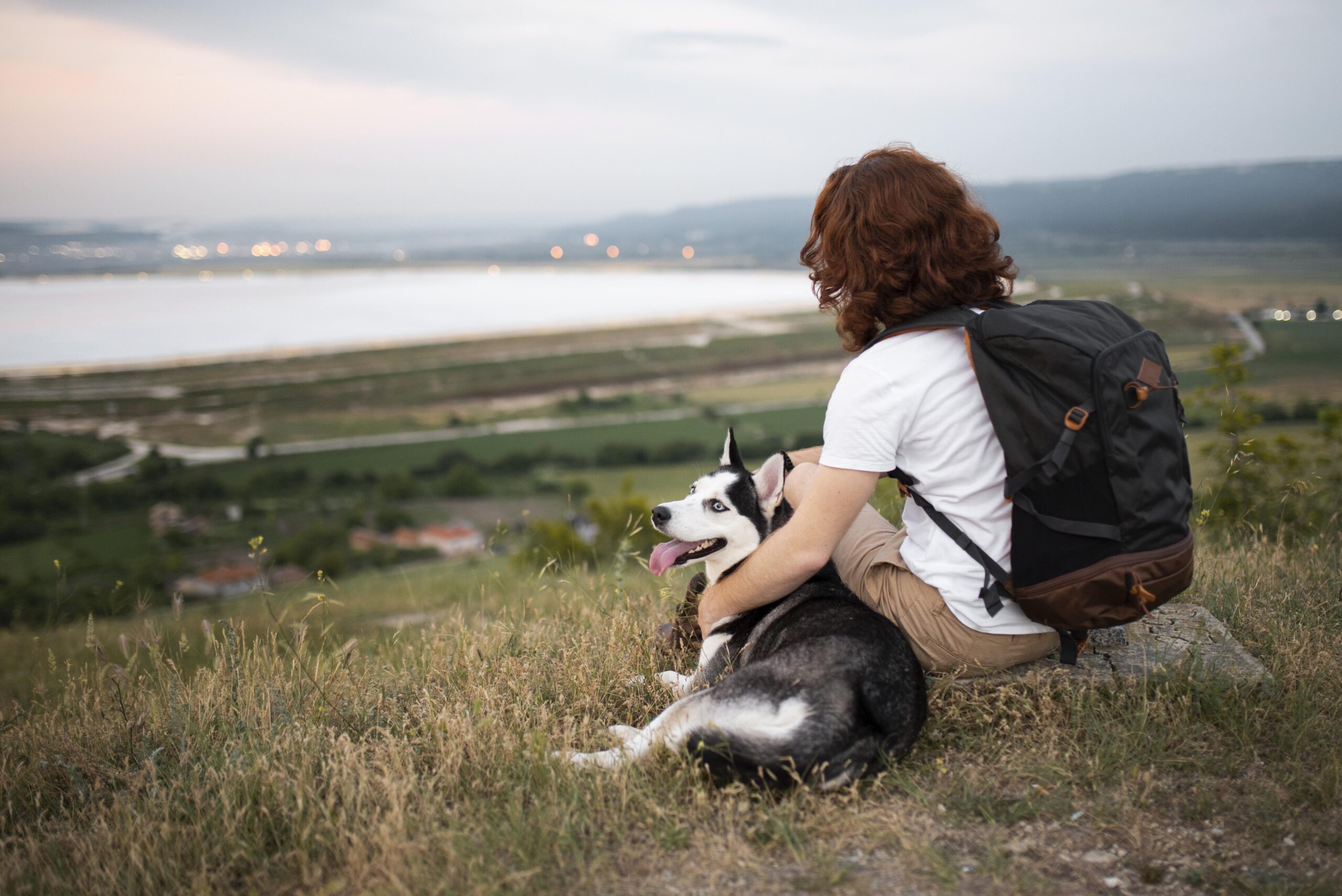
Off-leash dog training represents the pinnacle of the human-canine bond, offering your furry companion the freedom to explore while maintaining complete trust and control. Teaching your dog reliable off-leash commands requires patience, consistency, and the right approach, but the rewards of watching your dog respond instantly to your voice from across a field are immeasurable.
The journey to successful off-leash dog training begins with understanding that this isn’t just about teaching commands, but about building an unbreakable communication system between you and your dog. Whether you’re dreaming of hiking mountain trails together or simply want the confidence to let your dog play freely at the park, mastering these seven essential commands will transform your relationship and your dog’s quality of life.
While mastering off-leash commands represents advanced training, remember that success builds on a solid foundation of basic obedience. If you’re just starting your training journey or want to strengthen your dog’s fundamental skills, check out our Complete Dog Training Guide: From Puppy Basics to Advanced Commands for a comprehensive approach to building the perfect training foundation.
Understanding the Foundation of Off-Leash Success

Before diving into specific commands, it’s crucial to recognize that dog recall training builds upon basic obedience skills. Your dog should already have a solid grasp of fundamental commands like “sit,” “stay,” and “come” in controlled environments before attempting off-leash work.
The key to reliable dog commands lies in positive reinforcement training methods. This approach focuses on rewarding desired behaviors rather than punishing mistakes, creating a dog who wants to respond to you rather than one who responds out of fear. High-value training treats, enthusiastic praise, and engaging play sessions form the backbone of effective training.
Start your off-leash journey in a completely enclosed area like a fenced backyard or dog park. This controlled environment allows your dog to experience freedom while ensuring their safety as they learn. A long training leash (15-30 feet) can bridge the gap between on-leash control and complete freedom, giving you backup control while your dog practices their new skills.
The 7 Essential Off-Leash Commands
1. Emergency Recall (“Come!”)
The emergency recall is your most critical command—the one that could literally save your dog’s life. This command must be so thoroughly ingrained that your dog responds instantly, regardless of distractions.
Begin training by using a specific word or phrase that’s different from your everyday “come” command. Many trainers recommend “here” or “emergency” to distinguish it from casual recalls. Practice this command only when you’re certain your dog will respond, and always reward with the highest-value treats and enthusiastic praise.
Start in your living room, then gradually increase distance and distractions. Use a long line initially to ensure success, and never call your dog for something they perceive as negative—this erodes the positive association with the command.
Recommendation: Buddy Biscuits Trainers Chewy Dog Treats
2. Directional Commands (“Left,” “Right,” “Back”)
Directional commands give you incredible control over your dog’s movement, allowing you to guide them away from dangers or toward specific locations. These commands are particularly valuable when your dog is exploring ahead of you on trails or in open spaces.
Train these commands by walking with your dog on leash, giving the directional command while gently guiding them in that direction. Reward immediately when they turn the correct way. Gradually phase out the physical guidance while maintaining clear, consistent verbal cues.
A quality clicker can be invaluable for marking the exact moment your dog begins to turn in the correct direction, helping them understand precisely what behavior you’re rewarding.
Recommendation: Dog Training Clicker with Wrist Strap
3. Distance Control (“Wait,” “Stop”)
The ability to stop your dog’s forward movement from a distance is essential for safe off-leash adventures. Whether they’re approaching another dog, heading toward traffic, or getting too far ahead, a reliable “wait” or “stop” command provides crucial control.
Begin teaching this command with your dog on a long line. Call “wait” and gently apply pressure to the line if needed. The moment your dog stops forward movement, immediately release pressure and reward enthusiastically. Practice this command during walks, gradually increasing the distance between you and your dog.
4. Position Commands (“Down,” “Sit at Distance”)
Being able to place your dog in a specific position from across a field demonstrates remarkable control and trust. These commands are particularly useful in situations where you need your dog to remain calm and stationary while you handle other tasks.
Start close and gradually increase distance, always ensuring success before making the exercise more challenging. Use clear hand signals along with verbal commands, as dogs often respond better to visual cues at greater distances. A training whistle can also help your commands carry further in outdoor environments.
5. Focus Command (“Look,” “Watch Me”)
The focus command redirects your dog’s attention back to you, breaking their concentration on distractions like other animals, interesting smells, or moving objects. This command serves as a foundation for all other off-leash dog training.
Practice by calling your dog’s attention when they’re mildly distracted, rewarding immediately when they make eye contact. Gradually increase the level of distraction as your dog’s focus improves. This command is particularly effective when combined with high-value treats that capture your dog’s interest.
6. Boundary Commands (“Close,” “Easy”)
Teaching your dog to maintain an appropriate distance from you prevents them from ranging too far while still allowing exploration freedom. This is especially important in areas with potential hazards or when hiking in unfamiliar territory.
Establish a comfortable working distance—usually 20-50 feet depending on the environment—and call your dog back whenever they exceed this boundary. Reward them for voluntarily checking in with you, reinforcing the idea that staying relatively close is beneficial.
7. Release Command (“Free,” “Go Play”)
A clear release command tells your dog when they’re free to break from structured behavior and explore independently. This command prevents confusion about when rules apply and when your dog can relax.
Choose a specific word like “free” or “release” and use it consistently to signal the end of training sessions or structured activities. This helps your dog understand the difference between work time and play time, improving their focus during training sessions.
Building Reliability Through Progressive Training

Success in off-leash dog training activities depends on gradually increasing difficulty while maintaining high success rates. Start each new command in a quiet, familiar environment with minimal distractions. Only progress to more challenging situations when your dog responds reliably 80-90% of the time in the current environment.
Environmental progression should follow a logical sequence: indoor training, fenced backyard, quiet park areas, busier parks, and finally more challenging environments like hiking trails or beaches. Each new environment introduces different distractions and requires your dog to generalize their training to new contexts.
Consistency among all family members is crucial for dog obedience training success. Everyone should use the same commands, hand signals, and reward systems to avoid confusing your dog. Create a family training plan that outlines each command, its associated hand signal, and the preferred rewards.
Safety Considerations and When to Avoid Off-Leash Training
Not every situation is appropriate for off-leash activities, regardless of your dog’s training level. Urban areas with traffic, crowded public spaces, and areas with wildlife pose significant risks. Always assess environmental factors before deciding to remove your dog’s leash.
Some dogs may never be suitable candidates for off-leash training due to high prey drive, extreme reactivity, or health issues that affect their hearing or vision. Senior dogs or those with cognitive decline may struggle with off-leash reliability even if they were previously well-trained.
Weather conditions also impact off-leash safety. Heavy rain can affect scent trails and visibility, while snow can muffle sounds and make recall more challenging. High winds can interfere with your dog’s ability to hear commands clearly.
Troubleshooting Common Off-Leash Training Challenges
Many dogs struggle with selective hearing, responding perfectly at home but ignoring commands in exciting environments. This common issue stems from insufficient proofing—practicing commands in various environments with different distraction levels. The solution involves returning to basics in challenging environments and rebuilding reliability gradually.
Another frequent challenge is the “catch me if you can” game, where dogs run away when called. This usually develops when owners chase their dogs or call them for negative experiences. Combat this by making yourself more interesting than the environment—run away from your dog, hide behind trees, or pull out their favorite toy when they’re not responding.
Some dogs become overly dependent on treats and won’t respond without visible rewards. Gradually transition to intermittent reinforcement, where treats are given randomly rather than after every correct response. This creates stronger, more reliable behavior patterns.
Creating Long-Term Off-Leash Success

Maintaining off-leash reliability requires ongoing practice and positive associations. Regular training sessions, even brief ones, keep commands sharp and reinforce the communication bond between you and your dog. Vary your training locations and scenarios to ensure your dog generalizes their learning.
Remember that off-leash dog training is a journey, not a destination. Even perfectly trained dogs can have off days or face situations that challenge their training. Stay patient, maintain realistic expectations, and always prioritize safety over convenience.
The investment in proper off-leash dog training pays dividends in the form of a deeper relationship with your dog, increased exercise opportunities, and the pure joy of watching your companion explore the world with confidence while maintaining their connection to you.
Conclusion
Mastering these seven essential commands transforms both you and your dog into a cohesive team capable of safely enjoying off-leash adventures together. The key lies in building each command systematically, maintaining consistency in your training approach, and prioritizing your dog’s safety throughout the process.
Remember that successful off-leash training requires time, patience, and dedication from both you and your dog. Start with short, positive training sessions and gradually build complexity as your dog’s skills develop. With proper preparation and consistent practice, you’ll soon experience the incredible freedom and trust that comes with reliable off-leash communication.
The bond you’ll develop through this training process extends far beyond simple obedience—it creates a partnership based on mutual respect, clear communication, and shared adventures that will enrich both your lives for years to come.